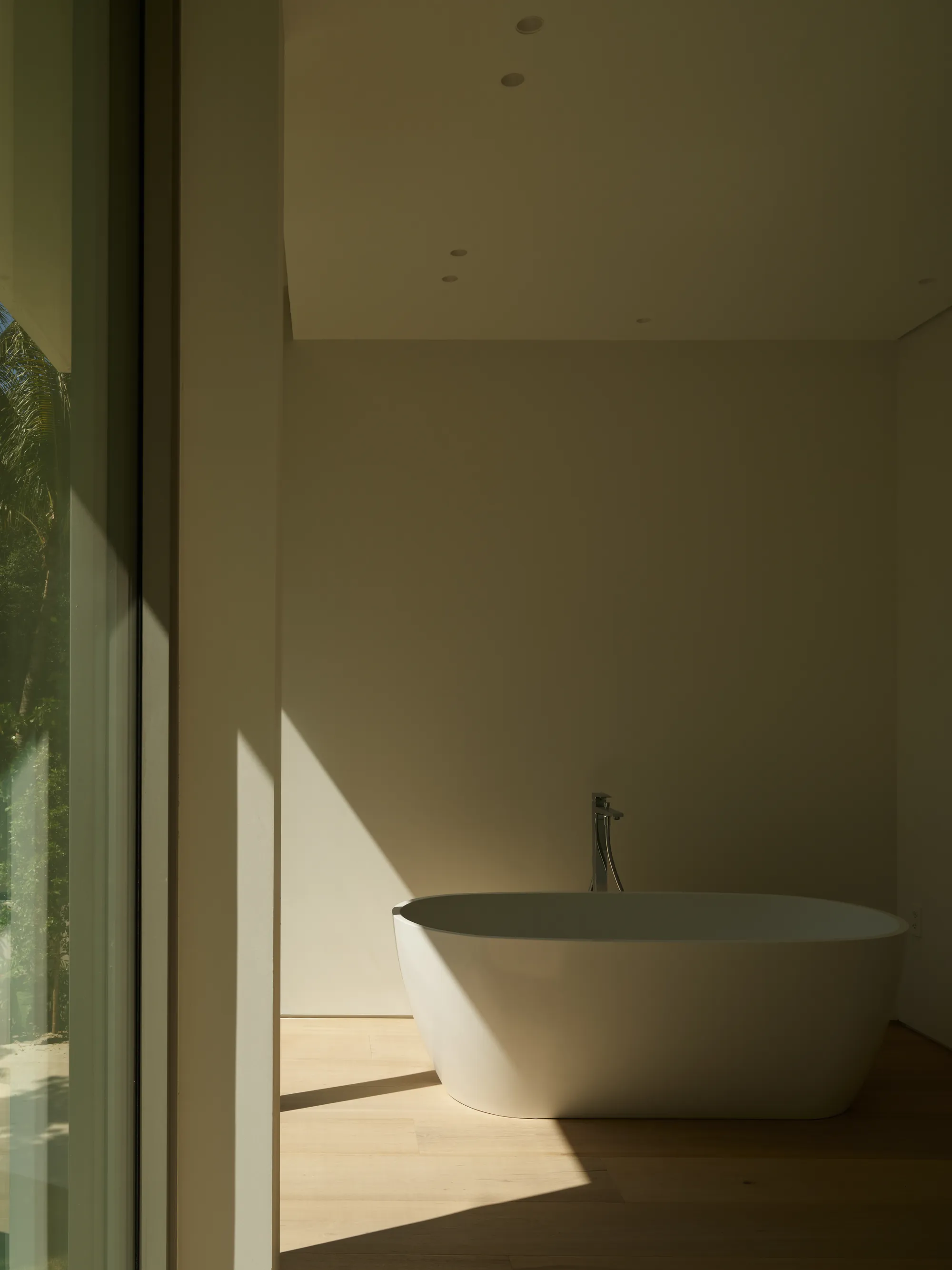
Travertine in the bathroom: warmth underfoot
Why travertine has become the bathroom stone of choice: the warmth it brings underfoot, how it handles water, and how to seal and care for it so it lasts a lifetime.
Luxom Studio · LUXOM Developments
· 4 min read · Last reviewed
Key takeaways
- Travertine is a warm, tactile limestone that feels softer and less clinical underfoot than porcelain or marble, which is why it has become a favored stone for calm, spa-like bathrooms.
- As a porous stone, travertine needs a penetrating sealer and a regular resealing rhythm to resist water and staining, especially in a wet bathroom environment.
- Choose a honed or tumbled finish over polished for bathroom floors, since it gives grip when wet and hides water spotting better than a high-gloss surface.
- Travertine bathroom tiles can be laid filled or unfilled: filled gives a smoother, more uniform surface, while unfilled keeps the natural pitting for a more textured, organic look.
- Clean travertine only with pH-neutral products. Acidic cleaners, vinegar and many common bathroom sprays etch the stone, so care is simple but the wrong product does real damage.
Editor's note
There is a moment in a well-made bathroom that no photograph captures: the second a bare foot meets the floor. Porcelain and marble read cold in that instant. Travertine reads warm. That difference, small on paper, is why the stone has quietly become a first choice for bathrooms that are meant to feel calming rather than clinical.
This is a child of our larger guide to choosing stone, focused on one room and one material. What travertine brings to a bathroom, how it handles water, and how to seal and care for it so it lasts a lifetime rather than a few hard years.
Why travertine feels different underfoot
Travertine is a limestone, formed by mineral springs, and it carries that origin in its character: a warm, matte, faintly textured surface in cream, ivory and walnut tones. Compared with the bright hardness of polished marble or the manufactured evenness of porcelain, it feels softer to the eye and, genuinely, warmer to the touch. Stone does not hold heat, but travertine's honed, porous surface reads far less cold than a glossy tile at the same temperature.
That tactility is the whole case for it in a bathroom. A room built for washing and resting benefits from a material that feels natural and enveloping. Travertine gives a bathroom the quiet, spa-like calm that a colder, harder surface fights against.
Finish and format: honed, filled, and how travertine bathroom tiles are laid
For a bathroom, finish is a functional decision, not only an aesthetic one. Choose honed or tumbled over polished: the matte surface gives grip when the floor is wet and hides water spotting that a high gloss would show. On the fill question, filled travertine has its natural pits filled and honed smooth for a uniform, easy-clean surface, which suits floors and shower walls, while unfilled keeps the pitting for a more rustic, textured look better reserved for accents.
Travertine bathroom tiles can run large-format for a calm, continuous floor with minimal grout, or in classic stone sizes for a more traditional feel. Whichever format, carrying one honed material from floor to wall keeps the room serene rather than busy, the same continuity we favor in every stone surface.
Pull quote
Sealing is not a chore you do to travertine. It is the habit that lets a porous stone live happily in the wettest room in the house.
Sealing and water: the one habit that matters
Travertine is porous, and a bathroom is wet, so sealing is not optional. A penetrating sealer soaks into the stone and repels water and oil from within, and it should go on at installation and be renewed on a rhythm, roughly once a year in a bathroom. The test for when is easy: drop water on the stone, and if it soaks in and darkens rather than beading, it is time to reseal. Kept sealed, travertine handles a shower and a wet floor without trouble.
Neglect the sealing and the same porosity that gives the stone its character turns into a liability, absorbing water, soap and eventually stains. The material rewards a small, regular habit and punishes indifference, which is true of most honest natural stone.
Care that keeps it beautiful
The care rules are simple but specific. Clean only with pH-neutral, stone-safe products, and keep acids away entirely: vinegar, lemon and many standard bathroom sprays will etch travertine, leaving dull marks that do not scrub out. Wipe spills promptly, squeegee the shower to reduce mineral spotting, and skip abrasive pads that scratch a honed surface. That is close to the entire maintenance list.
Follow it and travertine does something few materials do: it ages into the home rather than out of it, gaining a lived-in warmth over decades. It is the same logic that guides all our material choices, described in choosing stone for countertops.
Building a travertine bathroom well
Travertine rewards good detailing. The stone wants correct substrate and waterproofing beneath it, honest layout that respects the slabs, and sealing done properly from day one. Specified and installed with care, it delivers a bathroom that feels warm, natural and quietly expensive, and holds that quality for the life of the home.
If you are planning a bathroom around natural stone and want it detailed to last, our interior design service handles specification through installation, and you can start a conversation any time through the contact page.
The freestanding tub in this bathroom was itself the first decision, chosen before the travertine surround around it. For how tub type shapes everything that follows in a bathroom, see the tub decides the bathroom: a buyer's guide.
Pull quote
Travertine is the rare stone that feels warm the second your foot touches it. In a bathroom, that first impression is the whole point.
Filed under
Questions about travertine bathroom
01Is travertine good for a bathroom?
Yes, travertine is an excellent bathroom stone, valued for the warmth and softness it brings to a space that can otherwise feel hard and clinical. It reads warmer underfoot than porcelain or marble, its cream and walnut tones create a calm, spa-like atmosphere, and a honed or tumbled finish gives grip when the floor is wet. The one caveat is that travertine is porous, so it needs a penetrating sealer and periodic resealing to handle a wet environment, plus pH-neutral cleaning to avoid etching. Handled correctly, none of this is onerous, and the payoff is a bathroom that feels natural and enveloping rather than cold. It is a natural fit for the warm, quiet interiors we favor. For the wider view on choosing between stones, see our guide to choosing stone for countertops.
02How do you seal travertine in a bathroom?
Seal travertine with a penetrating, or impregnating, sealer designed for natural stone, which soaks into the pores and repels water and oil from within rather than sitting on the surface as a film. Apply it to clean, fully dry stone, let it absorb for the time the manufacturer specifies, then wipe off the excess before it hazes. New travertine should be sealed at installation, and in a bathroom you should plan to reseal roughly once a year, or whenever water stops beading on the surface. A simple test tells you when: drop a little water on the stone, and if it darkens or soaks in rather than beading, it is time to reseal. Sealing is the single most important habit for stone in a wet room. For how we detail stone throughout a home, see our projects page.
03What is the difference between filled and unfilled travertine?
Travertine naturally contains small holes and pits from the way it forms, and the two finishes handle them differently. Filled travertine has those cavities filled with a matching resin or cement and then honed smooth, giving a more uniform, even surface that is easier to keep clean and better suited to floors and shower walls. Unfilled travertine leaves the pitting exposed, keeping a more textured, organic and rustic look that some prefer for character, though the open pores need more diligent sealing and can trap grime in a bathroom. For most bathrooms we lean toward filled and honed travertine for the floor and wet areas, and reserve unfilled for accent surfaces where texture is the point. Both are genuine travertine; the choice is about how smooth and how rustic you want the room to read.
04How do you clean and maintain a travertine bathroom?
Clean a travertine bathroom only with pH-neutral products made for natural stone, and avoid anything acidic. Vinegar, lemon, and many common bathroom and tile cleaners will etch travertine, leaving dull marks that no amount of scrubbing removes. For daily care, wipe surfaces with warm water and a soft cloth or a stone-safe cleaner, squeegee the shower to reduce mineral spotting, and blot spills quickly rather than letting them sit. Keep the stone sealed on its yearly rhythm and it will resist staining well. Avoid abrasive pads that can scratch a honed surface. The routine is genuinely simple, it is just specific: neutral cleaners, prompt wiping, and regular sealing. Done consistently, travertine ages beautifully and lasts a lifetime. If you are planning a bathroom around natural stone, our interior design service can specify and detail it correctly.
05Is travertine or marble better for a bathroom?
Neither is simply better; they suit different rooms. Travertine reads warmer and more textured, with earthy cream and walnut tones and a matte, honed surface that feels soft and calm underfoot, which makes it a natural choice for a relaxed, spa-like bathroom. Marble reads cooler and more formal, with sharper veining and a brighter, often glossier surface, giving a more classic and luxurious look. Both are porous natural stones that need sealing and pH-neutral care, and both etch from acids, so maintenance is comparable. The deciding factor is usually mood: choose travertine for warmth and quiet, marble for drama and brightness. For a fuller comparison of stones and where each belongs, read our guide to choosing stone for countertops, or reach us through the contact page.
Explore the portfolio
Projects to see


Talk to the studio
If this belongs in your home, our studio will draw the plan.
Initial conversation, 30 minutes. We listen to the brief and respond with a scoped proposal within five working days. You can also read the services page for typical timelines and fees.
Written by Luxom Studio · LUXOM Developments
The design and development studio behind LUXOM residences in Coconut Grove, Miami
Keep reading
From the journal
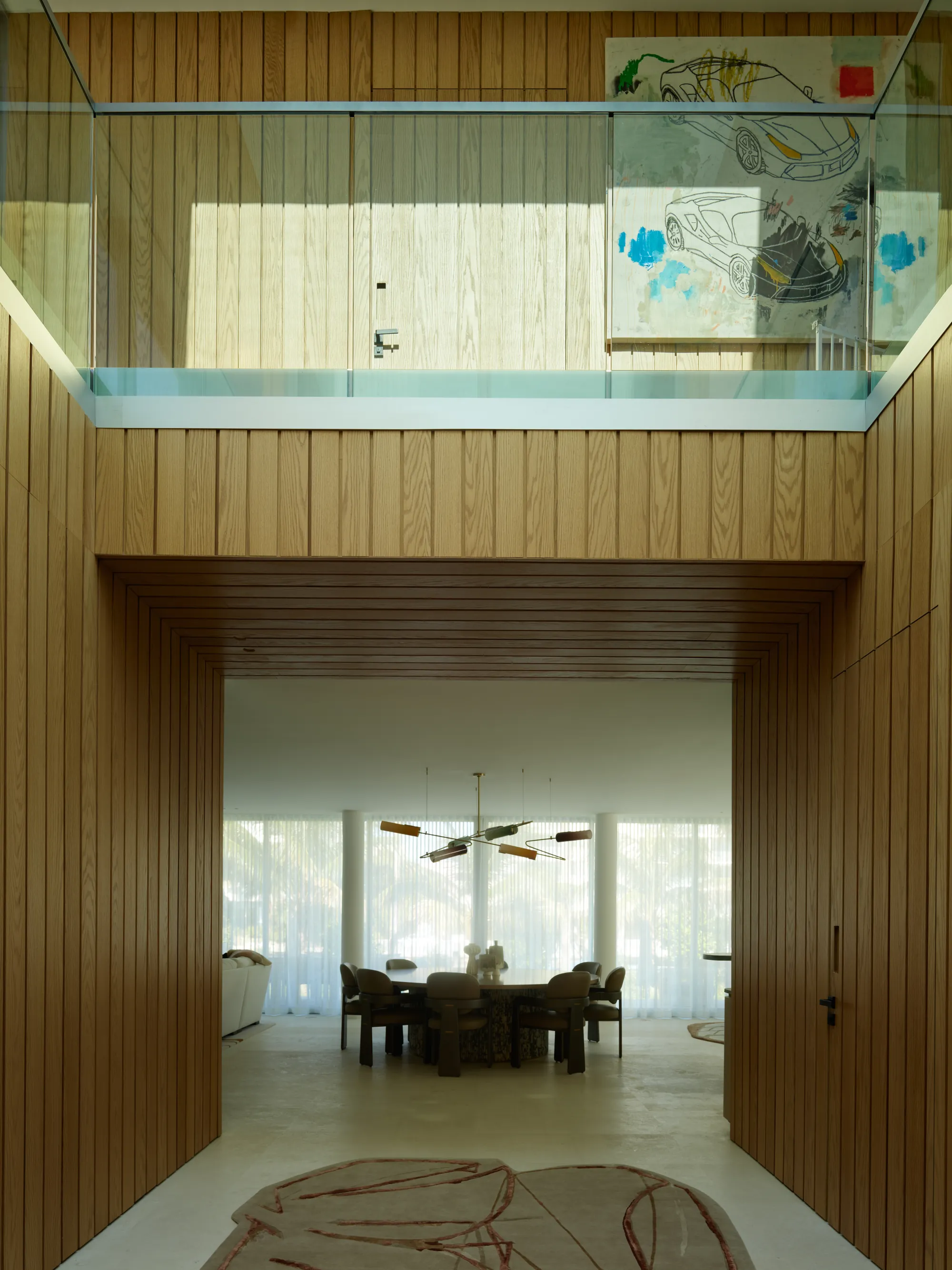
Materials · Sep 13, 2026 · 4 min
Five Walls That Aren't Painted
Plaster, cement, wood and stone, four crafted finishes we specify instead of a coat of color, and the one rule that decides which wall gets which one.
Materials · Sep 13, 2026 · 4 min
The Tub Decides the Bathroom: A Buyer's Guide
The tub is the one fixture that has to be chosen before anything else in the room. A working comparison of freestanding, built-in, stone-carved and soaking tubs, and what each one decides for the space around it.
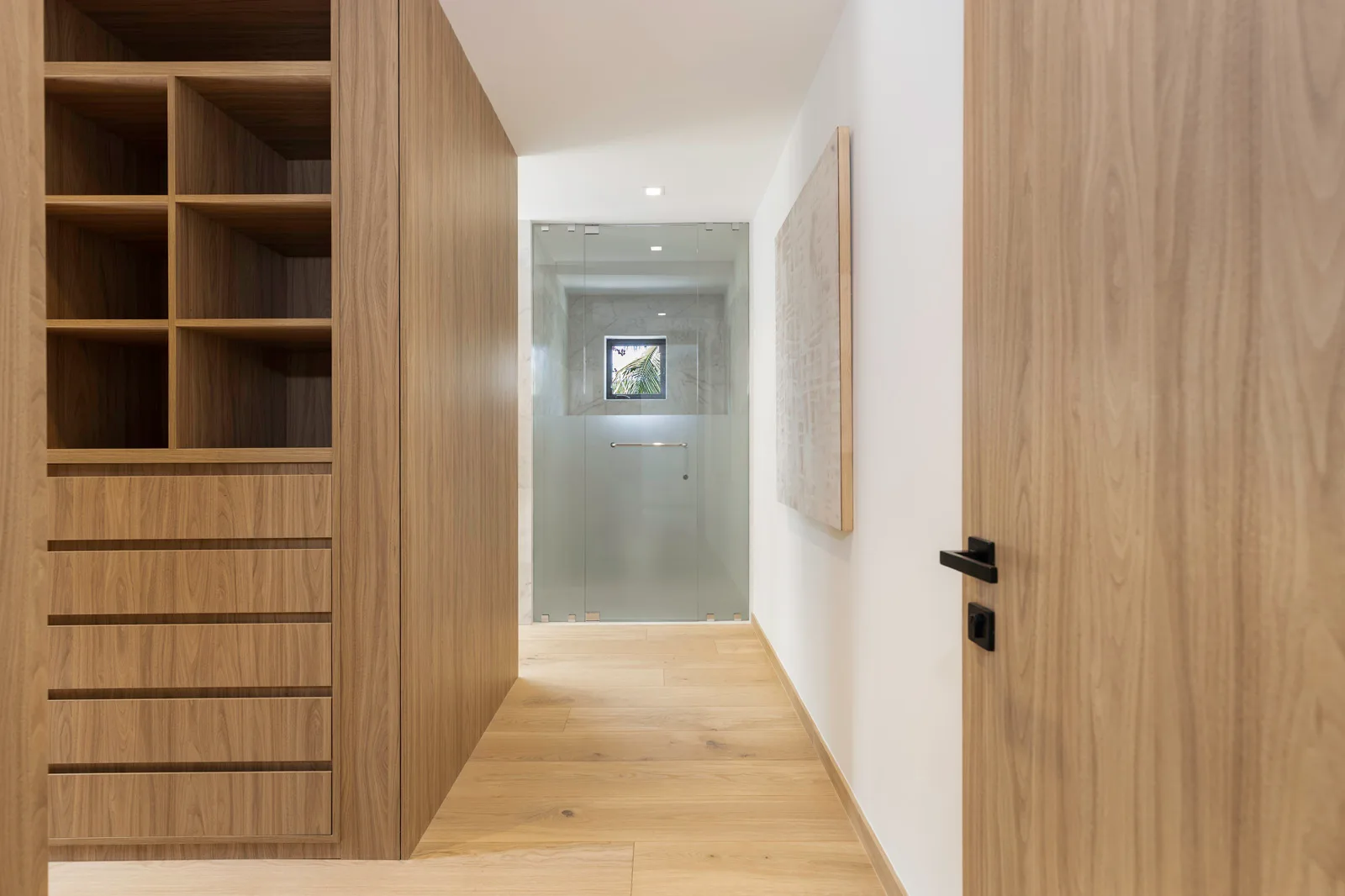
Materials · Sep 1, 2026 · 5 min
One Timber, Fourteen Rooms: White Oak and Walnut Joinery
Why timber is the one finish that improves with use, and how a single white oak and walnut joinery program runs through closets, panelling, doors and ceilings in one Luxom home.