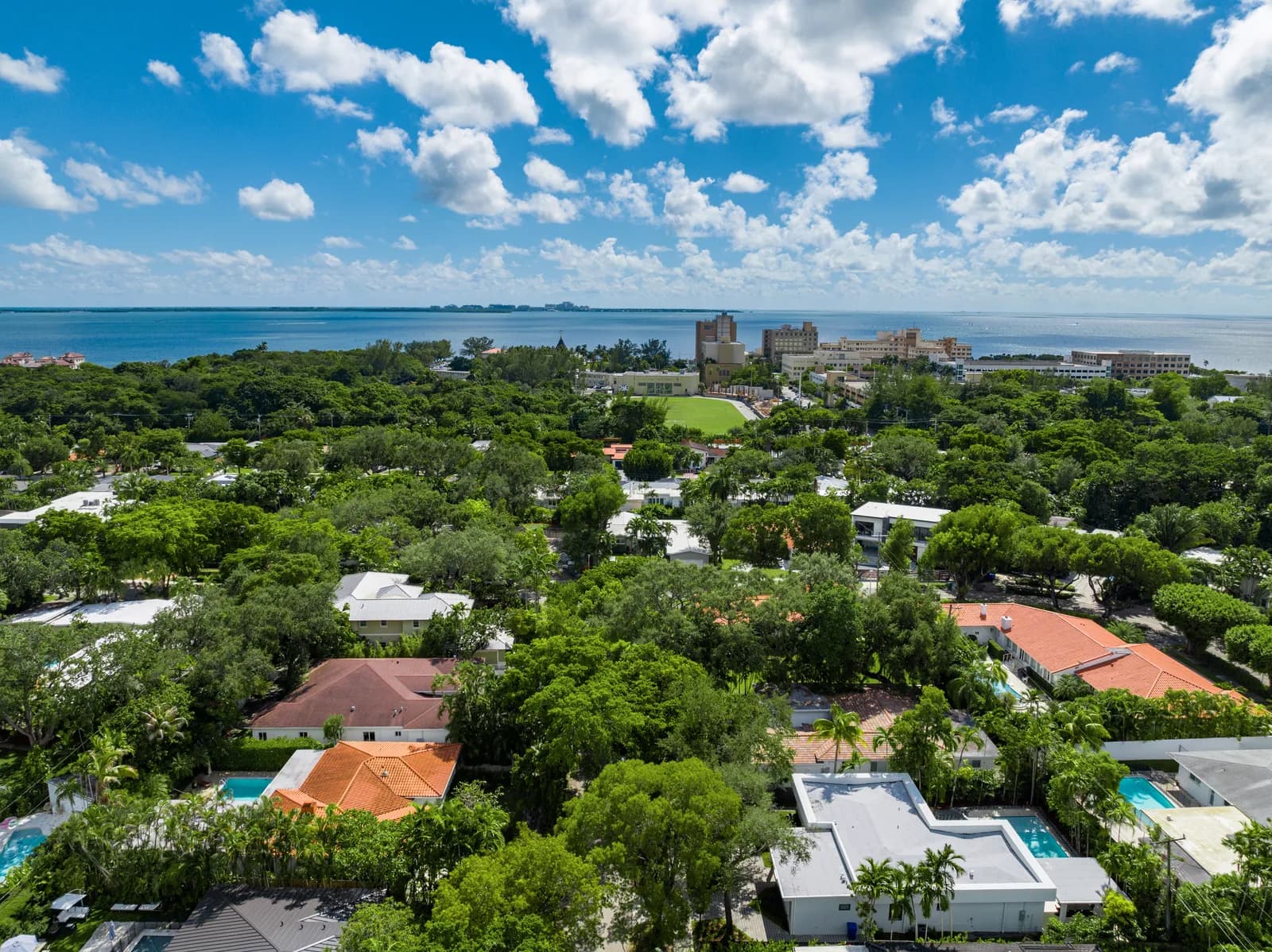
Same Land, Split Smart: Why One Lot Split Changes the Math
Two developers can buy the identical lot in Coconut Grove and walk away with two different deals. The difference isn't the house, it's whether the land gets split into two buildable sites or built as one.
Samuel Bissu · Developments
· 6 min read · Last reviewed
Key takeaways
- Splitting a lot means dividing one parcel into two or more separate, buildable sites. The land is the asset in that deal; the house is just what gets built on top of it afterward.
- A split only changes the math if it is legal. Miami's zoning sets a minimum lot size for the block, and a split that falls under it gets denied, no matter how good the site plan looks.
- Buying the deed is not the same as owning two buildable lots. The county has to approve a plat, and the parcels have to clear the same minimum size and frontage rules as everything else on the street before either one can be permitted.
- The same acquisition discipline that decides whether to buy one lot or assemble several also decides whether to split one: the site's economics are set before anyone breaks ground, not after.
From the developer
We posted something short recently about a lot in Coconut Grove: same land, split smart, and the whole deal changes. That line gets a comment every time, and it deserves the fuller version. Splitting a lot sounds simple on a post. In practice it is a zoning question first, a math question second, and a construction question a distant third.
Here is what actually happens when a developer looks at one lot and asks whether it should become one house or two.
Same land, split smart, different deal
Splitting a lot doesn't create value on its own. It only works when the zoning already allows it and both resulting sites are genuinely worth building on.
What splitting a lot into two buildable sites actually means
A lot split is dividing one parcel of record into two or more separate, buildable lots. It is not a line a developer draws on a rendering. It is a survey, a plat or lot split application, and a county approval that turns one deed into two, each carrying its own legal description, its own frontage, and eventually its own building permit. Until that approval is recorded, a split lot is still one lot, no matter what the marketing renders show.
Why the land, not the house, is the asset in a split deal
The instinct is to think about the house first: what gets built, how it's finished, what it sells for. On a split deal, that's backward. The site is the asset. What decides whether a split works is the land underneath it, its size, its shape, its frontage, and what the zoning will actually allow on each resulting piece. Get the site math right and the house is simply what gets built once the entitlement is settled. Get the site math wrong and no floor plan fixes it.
This is the same acquisition discipline we've made the case for on a single lot bought whole, in where luxury developers actually make money, and on the opposite move, buying several lots and combining them into one, in land assemblage: why we buy the whole row. A split is the mirror image of an assemblage: instead of turning several parcels into one larger site, it turns one parcel into two smaller ones. The logic that decides whether either move pencils is identical. The margin gets set at acquisition, not at the finish line.
Pull quote
The lot is the asset. The house is just what you build on top of it once the site itself is settled.
The zoning and minimum lot size math that decides whether a split is even legal in Coconut Grove
Not every lot that looks big enough on paper can actually be split. Coconut Grove blocks carry a minimum lot size and frontage requirement, and a proposed split has to clear that bar for every resulting parcel, not just for the original lot as a whole. A 21,000 square foot lot sounds like plenty of room for three houses. It isn't automatically, and a real case makes the point better than a hypothetical one.
Why a real Coconut Grove lot split got denied, and what that says about which splits pencil
In 2025, developers who had bought a 21,000 square foot property at 4055 Poinciana Avenue for $2.7 million proposed splitting it into three 7,000 square foot parcels. Miami's City Commission voted unanimously to deny the request, because the resulting lots fell well under the Neighborhood Conservation District's average lot size of 11,712 square feet for that street. City planning staff, the commission, and neighbors all pointed to the same issue: the split would have been out of scale with what was already on the block, regardless of how the houses themselves were designed.
That denial is the clearest lesson in this entire topic, and it says exactly which splits pencil and which don't. A split only changes the math when the zoning genuinely supports it. A lot that is comfortably above twice the block's minimum size can often split cleanly into two sites that both read as normal on the street. A lot that is only marginally larger than the minimum, or that tries to divide into more pieces than the block's character can absorb, is a deal that gets denied, appealed, or redesigned back down to something smaller than what was underwritten.
Platting, survey and county approval before a split lot can be permitted
Buying the land is the easy half. Owning one parcel does not make it two buildable lots; it makes it one lot a developer intends to split. Miami-Dade County has to approve and record a plat, or an administrative lot split where the process allows for one, before either resulting parcel is treated as a separate site for permitting purposes. That review checks the same things any new lot has to meet: minimum size, frontage, setbacks, and whether the split is consistent with the neighborhood's zoning district.
That process has a timeline attached to it, and it is not a formality that closes in a week. According to BiggerPockets' investor guide to subdividing land, a typical two lot subdivision runs roughly nine months to a year from application to a recorded title, well before the first permit for either house gets pulled. A developer underwriting a split has to carry that time, and the carrying cost that comes with it, before either lot can be sold, financed against, or broken ground on separately.
How the math on a split compares to building one house on the whole lot
Here is the mechanism, stripped down. A developer pays one basis for one lot. Build a single house on it, and that entire land cost sits under one sale. Split the lot into two legal, buildable sites, and the same basis gets divided across two houses instead of one, lowering the land cost carried by each and, if both lots are genuinely desirable on their own, widening the margin on both.
That only works in that direction. A split that produces two narrow, compromised lots that buyers don't actually want doesn't divide the basis, it divides the demand for two smaller, less desirable homes instead of concentrating it in one strong one. The Poinciana case is the same math running the other way: the developers weren't wrong that dividing the basis across three parcels would have improved the numbers on paper. They were wrong that the zoning would let them get there. Same land. Split smart, and the deal changes. Split past what the block will bear, and the deal doesn't happen at all.
If you're weighing whether a lot in Coconut Grove could support a split, our services page walks through how we evaluate a site before we buy it, and you can start a scoped conversation any time through the contact page. Once the site question is settled, our guide to measuring a lot correctly and our breakdown of where luxury developers actually make money cover what comes next.
Pull quote
The lot is the asset. The house is just what you build on top of it once the site itself is settled.
Filed under
Questions about why splitting a lot into two buildable sites changes a developer's math
01What does it actually mean to split a lot into two buildable sites?
It means dividing one parcel of record into two or more separate lots, each large enough and shaped correctly to carry its own house and its own building permit. It is a legal and surveying process, a recorded plat or a lot split approval, not just a line drawn on a site plan.
02Can any residential lot in Coconut Grove legally be subdivided?
No. The block's zoning sets a minimum lot size and frontage, and a proposed split has to clear both for every resulting parcel. A lot that is twice the minimum size can often split cleanly. A lot that is only marginally larger than the minimum usually cannot, no matter how the deal is structured.
03Why did Miami's City Commission deny a lot split on Poinciana Avenue?
The City Commission unanimously rejected a proposal to divide a 21,000 square foot lot at 4055 Poinciana Avenue into three 7,000 square foot parcels because the resulting lots fell well under the Neighborhood Conservation District's average lot size of 11,712 square feet for that street. See Coconut Grove Spotlight's coverage of the vote for the full record.
04How does splitting a lot change a developer's numbers versus building one house on it?
One basis, the price paid for the land, gets divided across two sellable houses instead of one. That lowers the land cost carried by each home and can widen the margin on both, but only if the split is legal and each resulting lot is genuinely desirable on its own, not a narrow leftover nobody wants.
05What has to happen before a subdivided lot can be permitted and built on?
Buying the land is the first step, not the last. The county has to approve and record a plat or lot split before either parcel is treated as a separate, permittable site, and a two lot subdivision typically takes roughly nine months to a year from application to a recorded title.
06Why is the land itself often worth more than the house sitting on it?
Because the house can be redesigned, rebuilt, or replaced, but the lot's size, shape, and zoning entitlements cannot. Two identical houses on two different lots are worth different amounts because of what the dirt underneath them is allowed to become, which is exactly what a split either unlocks or forecloses.
Explore the portfolio
Projects to see


Talk to the studio
If this belongs in your home, our studio will draw the plan.
Initial conversation, 30 minutes. We listen to the brief and respond with a scoped proposal within five working days. You can also read the services page for typical timelines and fees.
Written by Samuel Bissu · Developments
Developer and founder of LUXOM Developments, boutique residences in Coconut Grove, Miami
Keep reading
From the journal
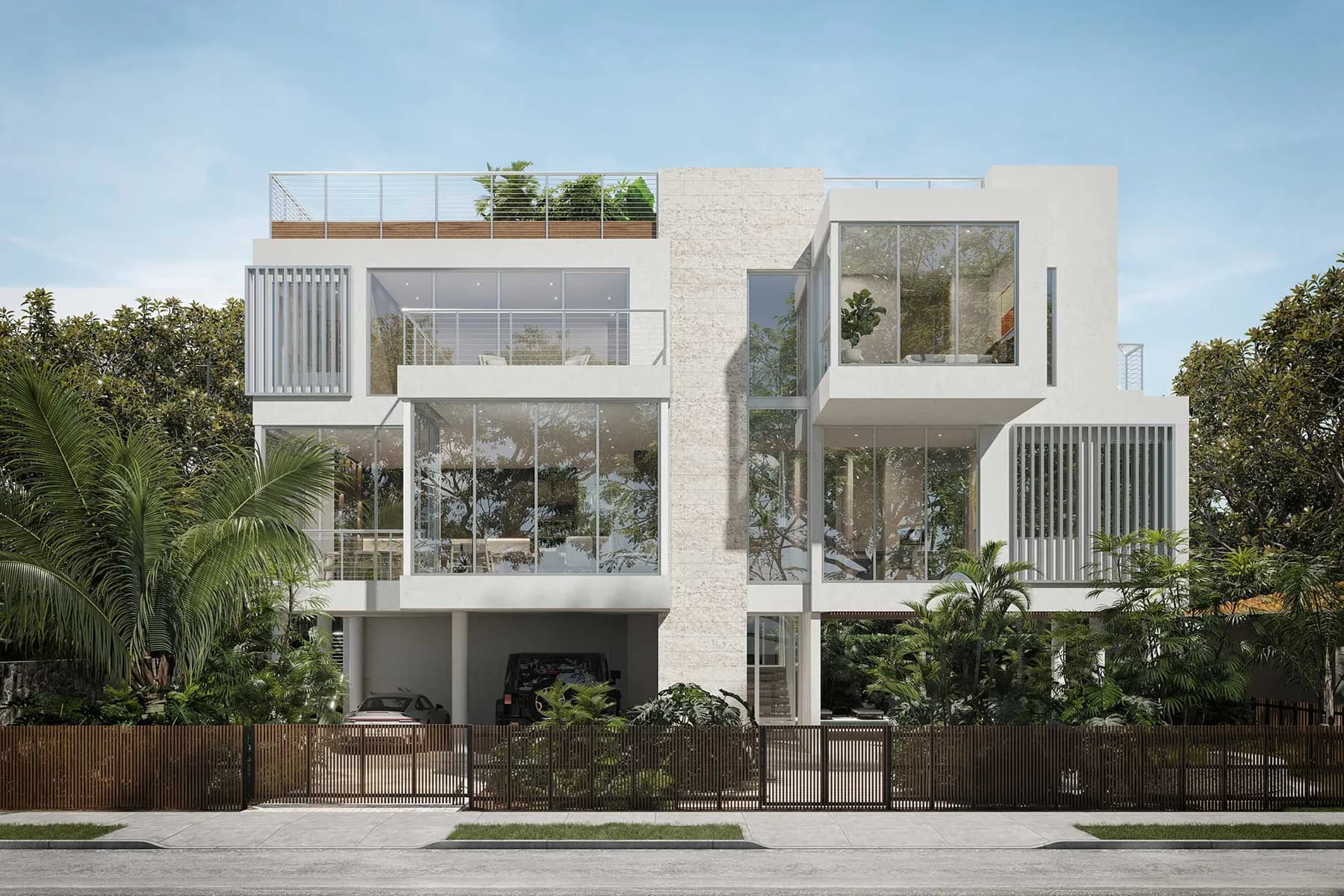
Development · Jul 8, 2026 · 2 min
Where luxury developers actually make money
It isn't the house. The margin is decided the day you buy the land, and protected by everything you refuse to cheapen.
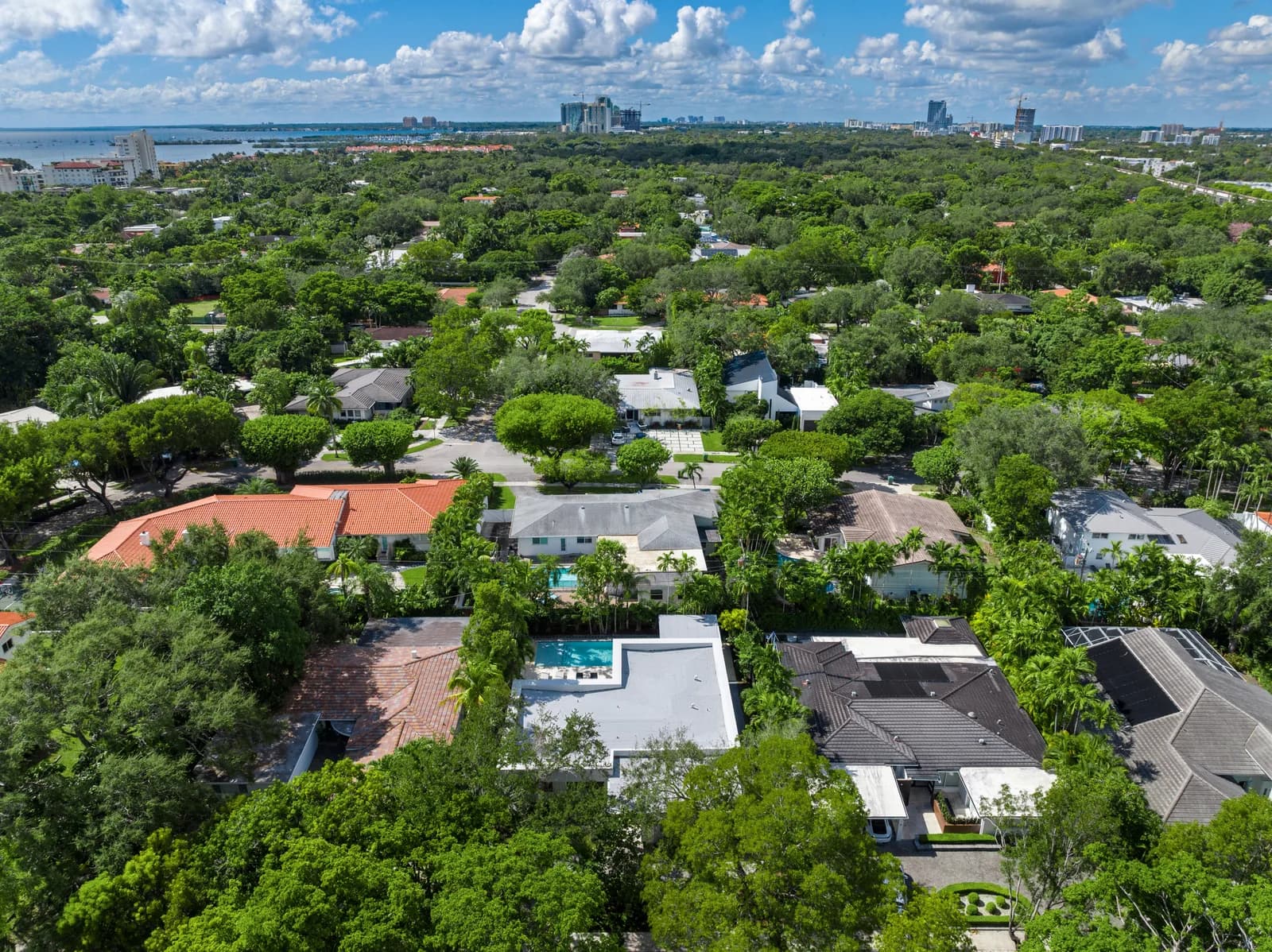
Development · Aug 4, 2026 · 5 min
Land assemblage: why we buy the whole row
Sometimes the right site isn't one lot, it's several. Buying adjacent houses on the same row and combining them into one buildable site is how estates that can't be copied get built.
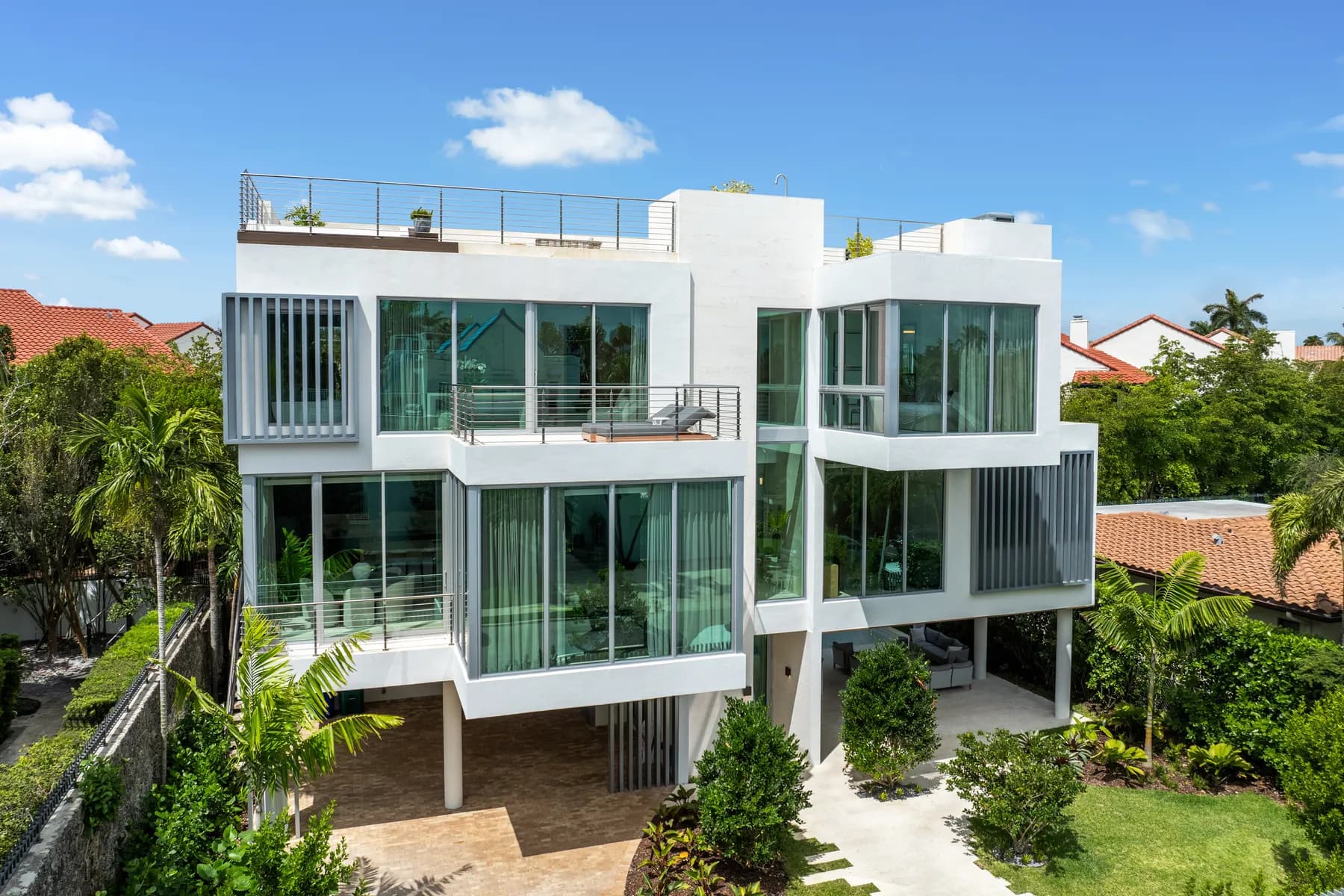
Guides · Aug 1, 2026 · 5 min
Acre vs Hectare: What a Coconut Grove Lot Actually Measures
An acre and a hectare are not close in size, and mixing them up changes how a Coconut Grove lot compares to a listing abroad. Here is what each unit actually measures.